
Where are next-gen technologies? (KIER)
Junhyun Cho from the Korea Institute of Energy Research presented on carnot batteries retrofits, and different mediums for thermal energy storage
Robert Lance Cook is the Chief Technology Officer of Sage Geosystems. They have solved how to make 'hot dry rock' geothermal commercially viable.
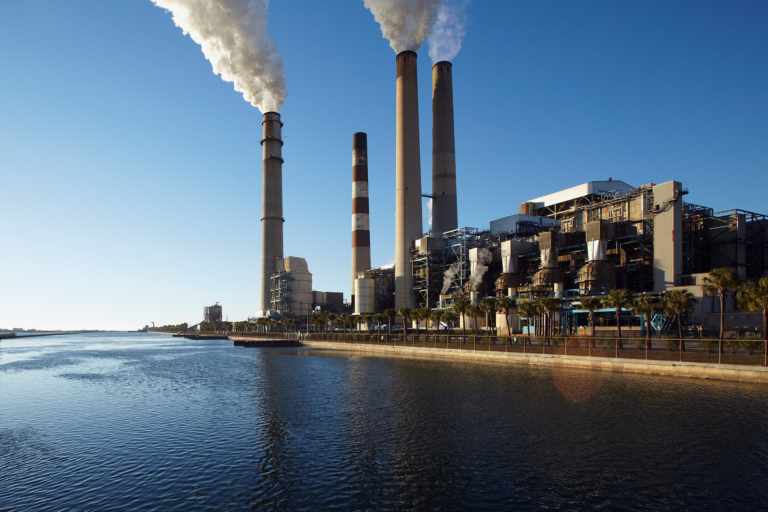
SMECI lignite plant in Christine, Texas, USA emits 1.8 million tons of CO2 per year. 400 jobs could be supported by converting this plant to clean, renewable power.
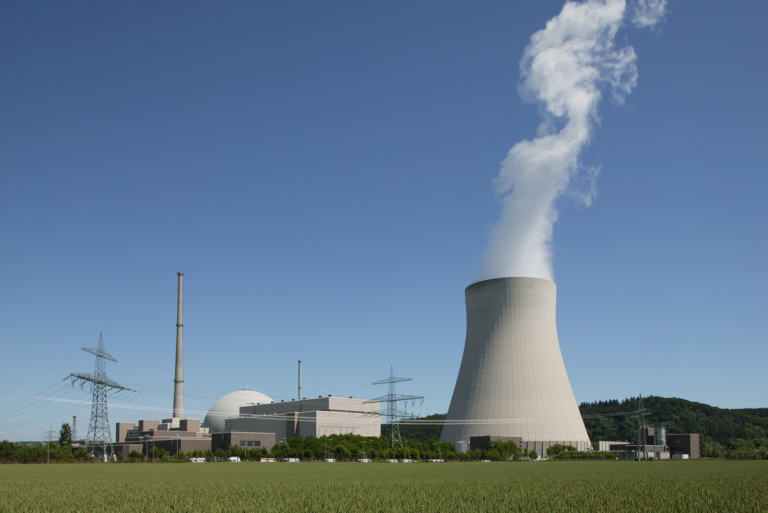
Sheng Zhou from Tsinghua University's presentation on C2N in China using SMRs, with two case studies: HTGR replacing a coal power plant and NHR200-II coupling in a petrochemical park.
Repowering is policy driven, and so will require political will and clear coal phase out commitments or constraints backed by national plans. Kaya analyses 5 Asian countries.
In October 2024, a two-day summit in Seoul, South Korea, brought together leaders and experts from across the globe to discuss a critical challenge: how to decarbonize coal plants without abandoning investments or displacing local workforces. Enjoy this short snapshot of our 2-day event.
What is the introduction of carbon mitigation efforts with nuclear and coal power generation? Can repowering coal to nuclear support climate change efforts?
Hyme's versatile, high performance thermal storage plants, can decarbonise energy intensive industries and retrofit CHP utility plants.
Lukasz Bartela, leader of the DEsire project on how coal-to-nuclear can be part of the Just Transformation of coal dependent regions of Poland.
South Korea has reached new records for electricity demand, and also has energy-intensive industries. Stable electrical power supply is essential to Korea's industrial competitiveness, so can SMRs be the replacement for coal power?
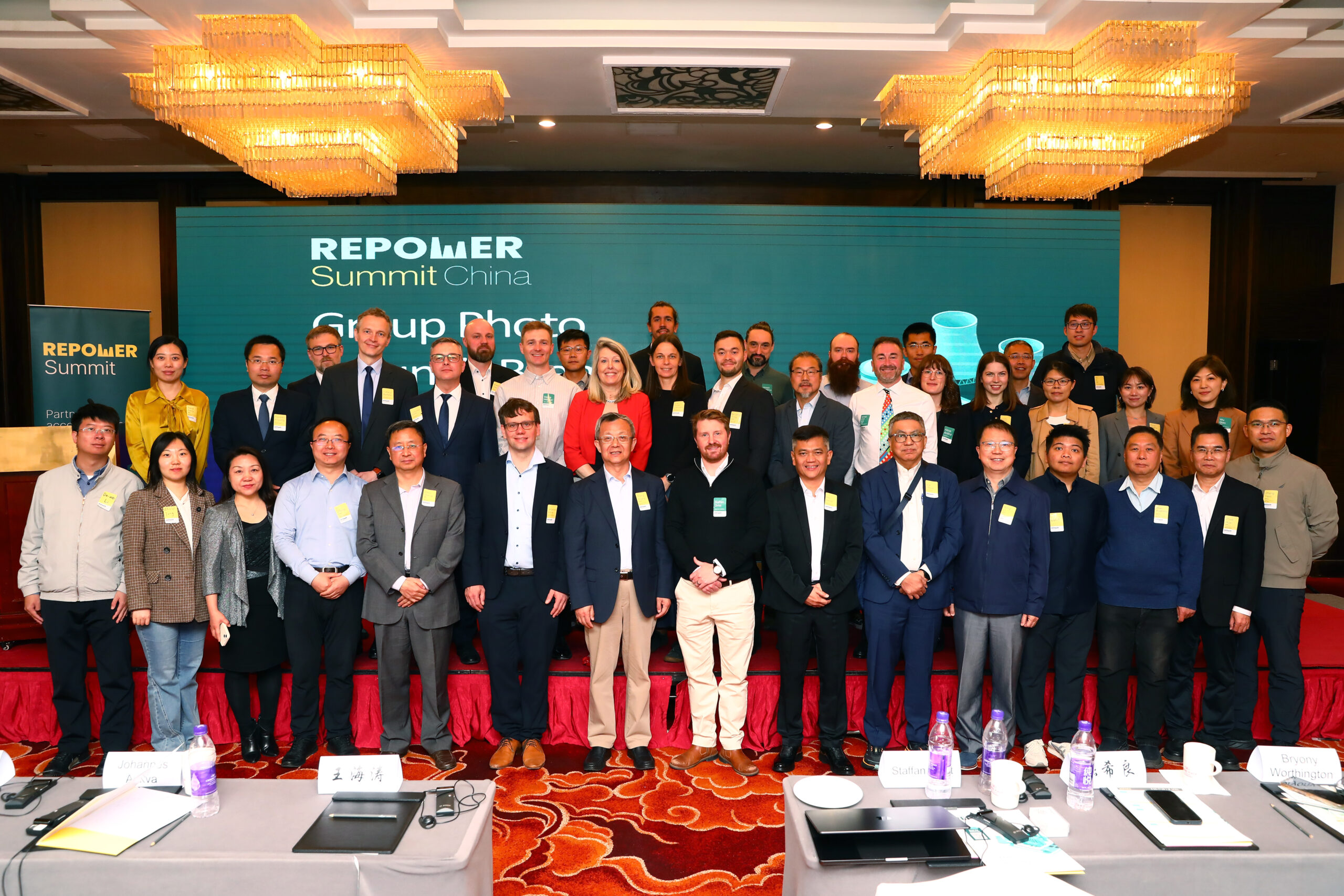
Baroness Bryony Worthington (Advisor and Founder of Repower Initiative) recently attended the International Society for Energy Transition Studies (ISETS) Conference in Nanjing, China. Over 400 participants from more than 20 countries attended the 4-day event, including senior academics, policymakers and energy experts from across ASEAN, China, and Japan.
At COP28, the United States and 24 other countries made a landmark announcement, declaring their commitment to triple global nuclear energy capacity by 2050.