

Presentations | 22/11/24
Making sustainable energy available always (Hyme)
Hyme's versatile, high performance thermal storage plants, can decarbonise energy intensive industries and retrofit CHP utility plants.

Hyme's versatile, high performance thermal storage plants, can decarbonise energy intensive industries and retrofit CHP utility plants.

What is the introduction of carbon mitigation efforts with nuclear and coal power generation? Can repowering coal to nuclear support climate change efforts?
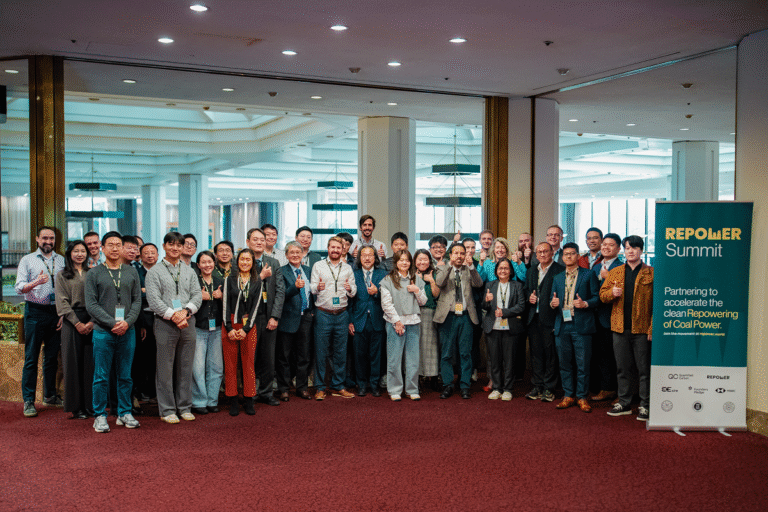
In October 2024, a two-day summit in Seoul, South Korea, brought together leaders and experts from across the globe to discuss a critical challenge: how to decarbonize coal plants without abandoning investments or displacing local workforces. Enjoy this short snapshot of our 2-day event.
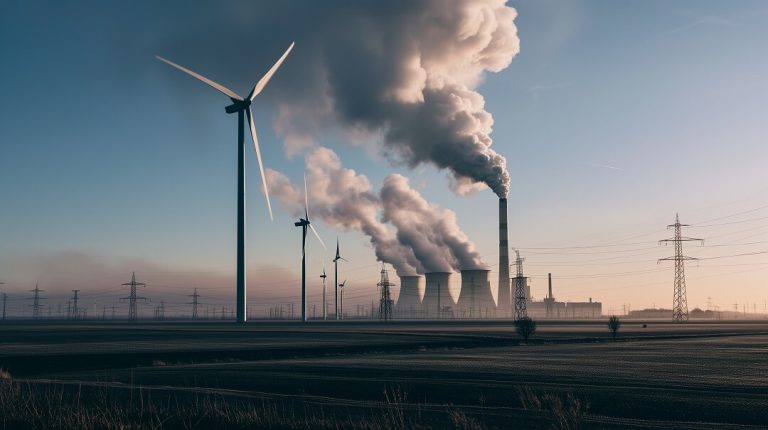
Repowering is policy driven, and so will require political will and clear coal phase out commitments or constraints backed by national plans. Kaya analyses 5 Asian countries.
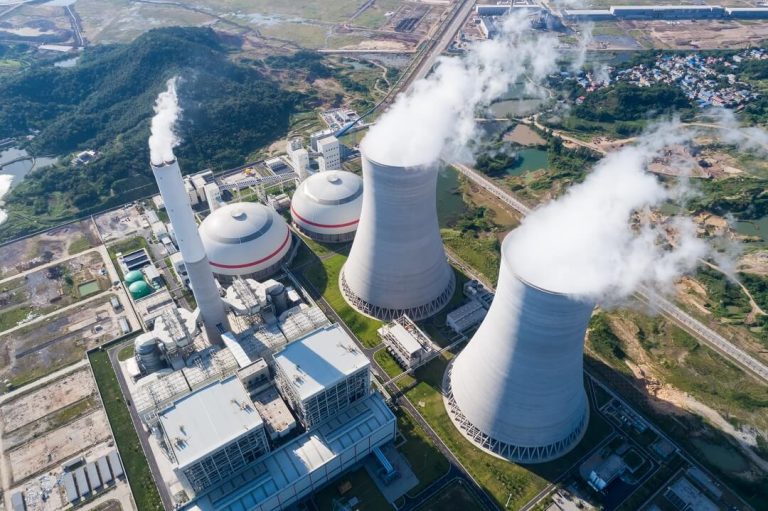
Sheng Zhou from Tsinghua University's presentation on C2N in China using SMRs, with two case studies: HTGR replacing a coal power plant and NHR200-II coupling in a petrochemical park.

SMECI lignite plant in Christine, Texas, USA emits 1.8 million tons of CO2 per year. 400 jobs could be supported by converting this plant to clean, renewable power.

Robert Lance Cook is the Chief Technology Officer of Sage Geosystems. They have solved how to make 'hot dry rock' geothermal commercially viable.

This 2024 review by researchers from Tsinghua University and the Harbin Institute of Technology examines in detail whether nuclear reactors could directly replace the boilers in existing coal power plants — a concept central to the emerging “coal-to-nuclear” (C2N) pathway.
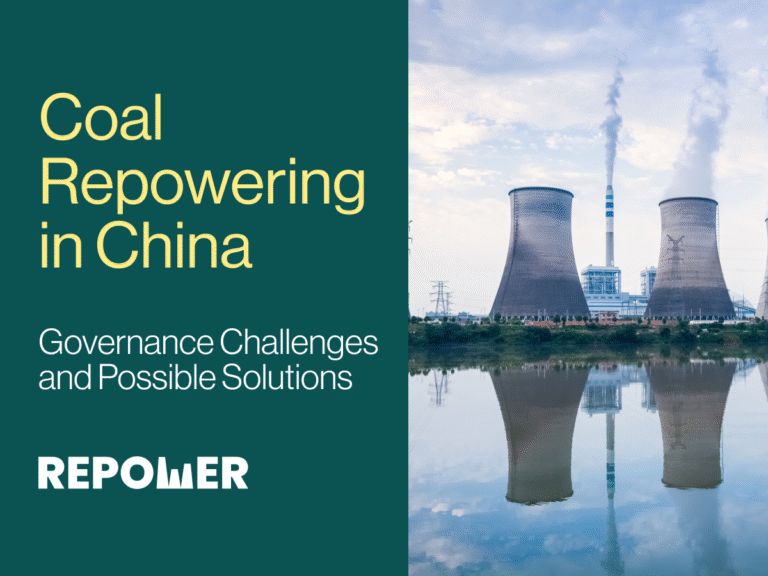
Repower's first paper on coal repowering in China. The findings demonstrated a strong technical and economic foundation for exploring the potential of repowering coal plants with nuclear technologies.
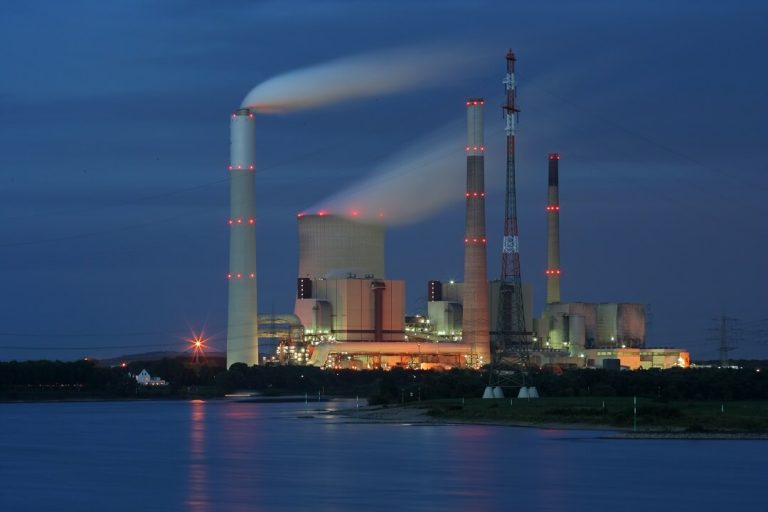
Electrifying the UK's energy system will strengthen energy independence, lower fossil fuel demand and help reach climate goals.
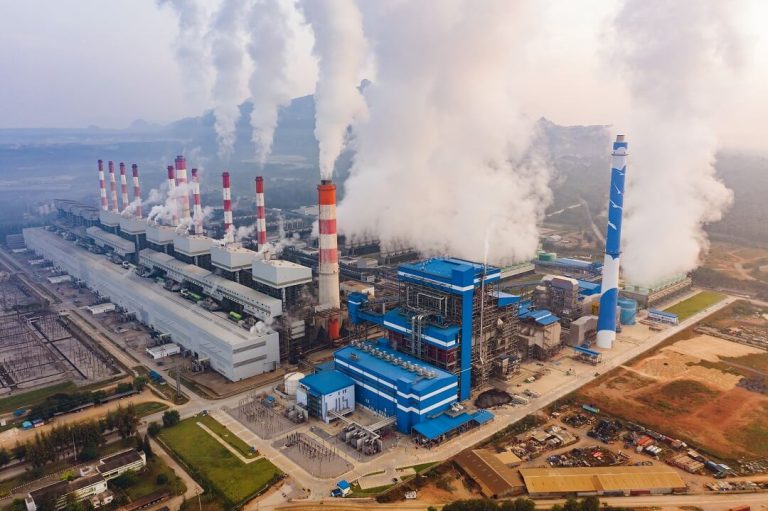
Retrofitting coal-fired power plants with nuclear reactors presents a viable pathway for reducing carbon emissions in China's power industry. This study recommends using High-Temperature Gas-Cooled Reactors (HTGR) due to their compatibility with existing coal plant infrastructure.

This study examines the effects of converting coal-fired power plants to nuclear (C2N) on Guangdong Province's energy system. Through three hypothetical scenarios, it finds that increased nuclear capacity reduces fuel consumption, costs, and carbon emissions, potentially achieving near energy self-sufficiency by 2060.