Where are next-gen technologies? (KIER)
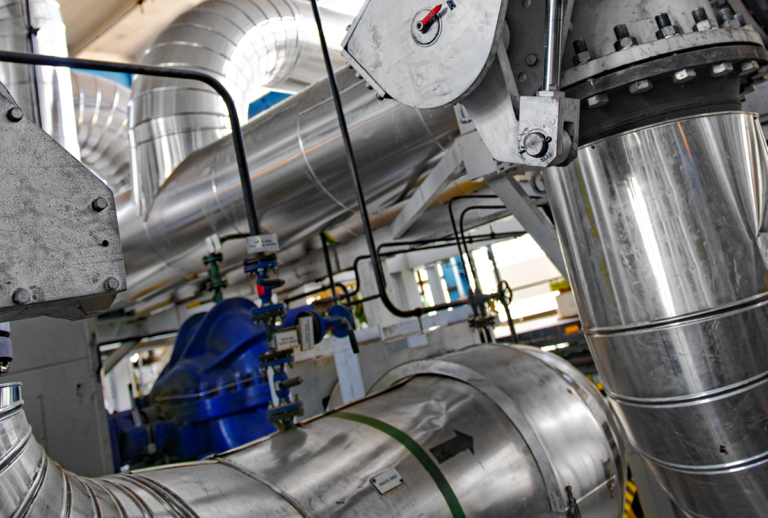
Junhyun Cho from the Korea Institute of Energy Research presented on carnot batteries retrofits, and different mediums for thermal energy storage
This 2024 review by researchers from Tsinghua University and the Harbin Institute of Technology examines in detail whether nuclear reactors could directly replace the boilers in existing coal power plants — a concept central to the emerging “coal-to-nuclear” (C2N) pathway.
Repower's first paper on coal repowering in China. The findings demonstrated a strong technical and economic foundation for exploring the potential of repowering coal plants with nuclear technologies.
Electrifying the UK's energy system will strengthen energy independence, lower fossil fuel demand and help reach climate goals.
Retrofitting coal-fired power plants with nuclear reactors presents a viable pathway for reducing carbon emissions in China's power industry. This study recommends using High-Temperature Gas-Cooled Reactors (HTGR) due to their compatibility with existing coal plant infrastructure.
This study examines the effects of converting coal-fired power plants to nuclear (C2N) on Guangdong Province's energy system. Through three hypothetical scenarios, it finds that increased nuclear capacity reduces fuel consumption, costs, and carbon emissions, potentially achieving near energy self-sufficiency by 2060.
The paper proposes a boiler-side molten-salt TES integration for a 350 MW CFPP that extracts main and reheat steam for heat transfer into high-temperature salt, using a scheme that mitigates risks like reheat overtemperature and turbine axial thrust imbalance compared to turbine-side concepts.
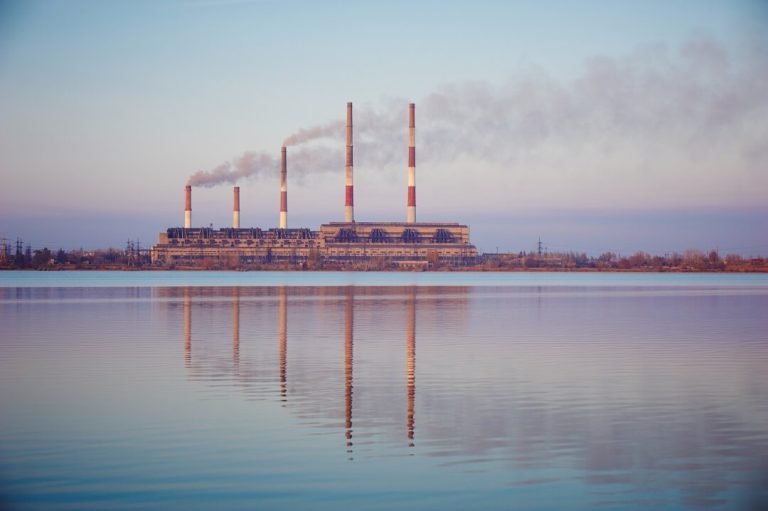
The System Analysis and Integration Campaign (SA&I) conducted a study to estimate the potential for siting new 600 MWe+ facilities at operational and recently retired coal and nuclear power plant sites.
This study systematically evaluates the potential for Coal-to-Nuclear (C2N) energy transitions in the U.S using the Siting Tool for Advanced Nuclear Development (STAND). Through an extensive analysis of 245 operational CPPs in the U.S., categorized into two groups based on their nameplate capacity, a comprehensive siting assessment has been provided in this paper.
The study included an analysis of hydrological conditions from 2010 to 2023 at selected locations, which determined the potential for siting high-power nuclear reactors. An analytical model was used to calculate the required water intake for cooling, and the results were compared with actual river flow measurements.
This short paper by Brian Hensley, Valerie Fowles, and Asta Lappetelainen at Kaya Partners, a specialist climate policy consultancy, has been commissioned by the Inevitable Policy Response (IPR). It looks at 4 transition ‘battlefronts.’
This edition of the World Nuclear Performance Report continues the trend of analyzing generation by the ages of nuclear reactors in each country, showing the excellent performance of nuclear reactors, regardless of age.