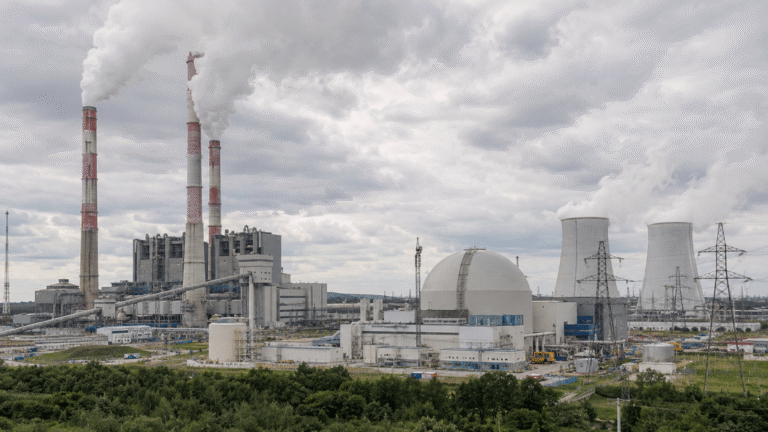
Coal‑to‑Nuclear for Poland: Support Mechanisms – (Sobieski Institute and DEsire)
The report outlines policy, financial, regulatory and organizational mechanisms to accelerate coal‑to‑nuclear (C2N) in Poland’s utility‑scale power sector.
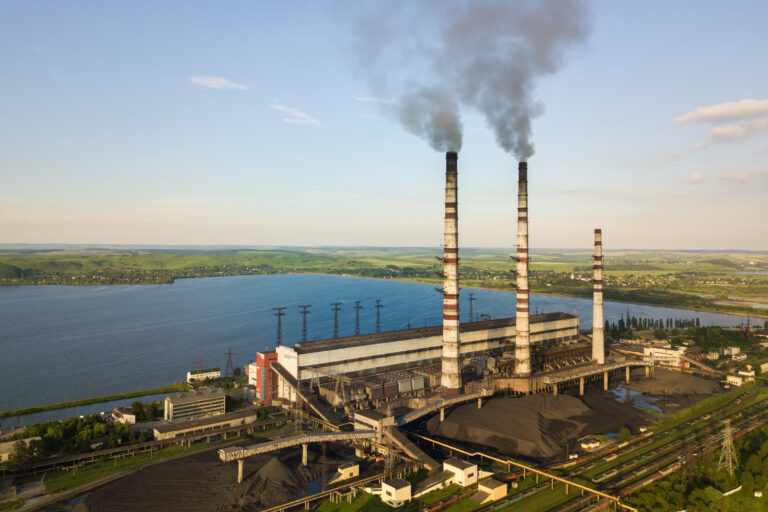
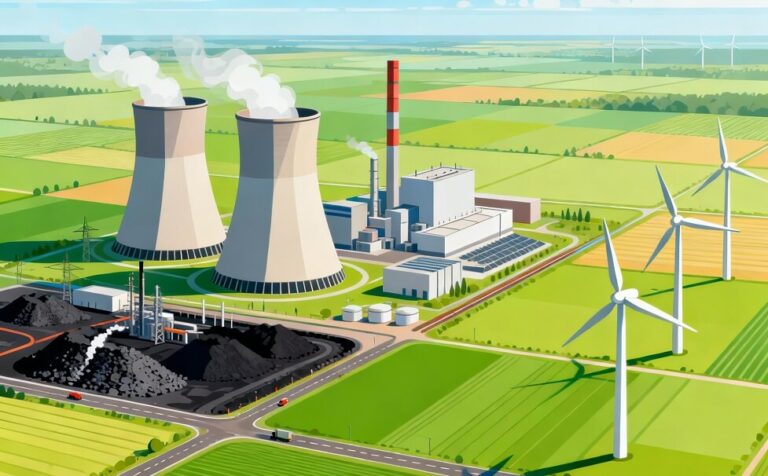
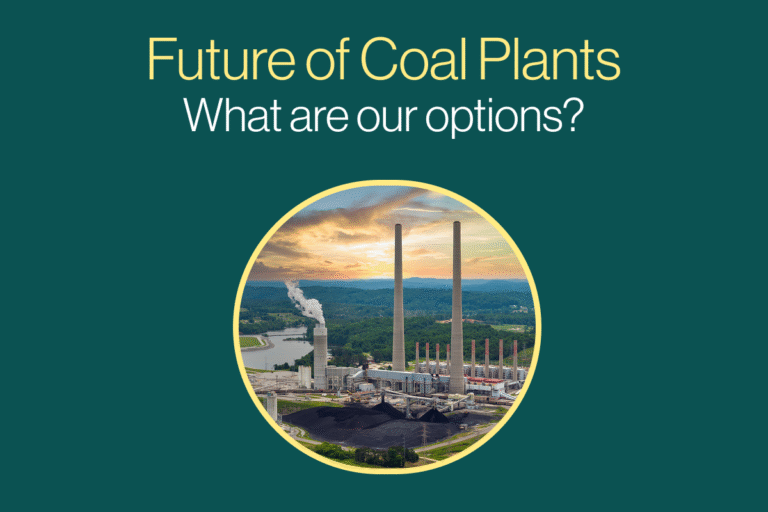
Tearing down what already works is the slowest way forward. We’ve spent decades building global energy systems, grids, and infrastructure that connect billions of people. Instead of ripping them out, we can repower them: reusing what’s valuable and replacing only what pollutes.
This report examines the social dimensions of the Coal-to-Nuclear (CtN) transition in Poland, focusing on public attitudes towards the deployment of Generation III/III+ and Generation IV nuclear reactors as part of the decarbonisation and modernisation of the national power sector. Developed within the DEsire project, the study explores both the global and Polish context surrounding…
This report, developed within the DEsire project framework, explores the potential for deploying coal-to-nuclear pathways in Poland as part of the country’s broader energy transition strategy. The study examines how existing coal-based energy infrastructure could be modernised through the integration of nuclear technologies, supporting decarbonisation objectives while maintaining energy security and industrial continuity. The report…

We don’t need to start from scratch to go clean. We just need to be smarter about what we already have. Repowering offers a faster way: reuse what’s working, replace what’s polluting. Keep the grids, the power stations, the people, but swap coal for clean heat.
This PCC progress report reviews Komati’s decommissioning, repowering, and repurposing program since late 2023, highlighting community engagement and skills efforts alongside delays in decommissioning (Component A) and renewables+BESS rollout (Component B) due to procurement, scope, and environmental constraints.
This study focuses on analyzing and comparing the molten salt thermal storage systems integrated in CFPP in consideration of peak-shaving capacity, equivalent round-trip efficiency, heat consumption rate, and exergy efficiency.
Baroness Bryony Worthington gave an interview exploring her thoughts on repowering, how it can help us transition to clean energy faster, and how it addresses what to do about existing coal infrastructure.
This paper critically examines the prospects for repowering coal-fired power plants with nuclear energy in China, demonstrating the substantial challenges repowering faces within the broader coal-electricity regime.
PublisherGlobal Energy Monitor(in collaboration with CREA, E3G, Reclaim Finance, Sierra Club, and others) DateApril 2025 AuthorsGlobal Energy Monitor, Centre for Research on Energy and Clean Air (CREA), E3G, Reclaim Finance, Sierra Club, Solutions for Our Climate, and partner organisations Boom and Bust Coal 2025 provides the most comprehensive global snapshot of coal power development, retirement,…
This comprehensive research article analyzes the feasibility and challenges of transitioning coal-fired power plants to nuclear energy in Poland. It encompasses technical, regulatory, environmental, and economic assessments while addressing site-specific factors vital for coal repowering with advanced nuclear technologies.
‘What happens with all the fossil fuel infrastructure now we decarbonise? Is it reusable in some way?’ Trillions of dollars are invested in coal power plants – blowing them up is a waste. Learn more about ‘Repowering’ in this Keynote speech presented by Dr Staffan Qvist, Founder of the Repower Initiative.