Global Pathways for Coal Repowering – Intro
Dr. Staffan Qvist - 'Global Pathways for Coal Repowering' Keynote speech from the Repower World Summit 2025 now available to watch online
This paper explores an emerging approach to transform cheap, clean renewable generation by co-locating with symbiotic new industries that can use electricity flexibly and how it could apply in Pueblo, Colorado. The combined resource creates a more dispatchable and reliable electric grid asset.
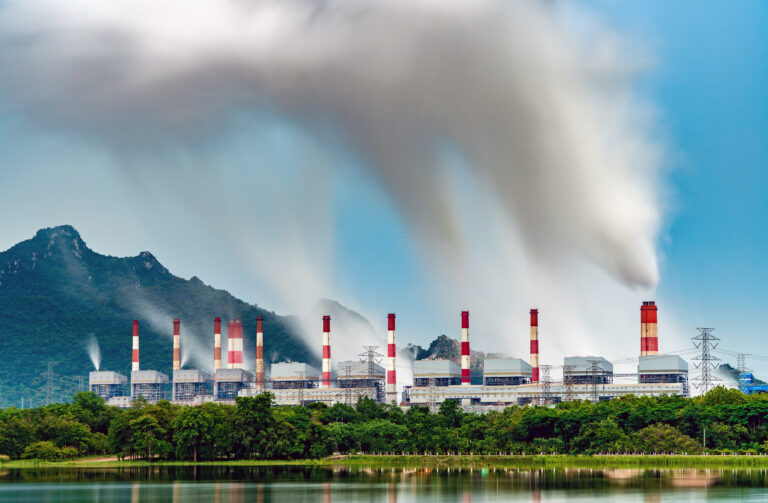
A rapid phase-out of coal power is essential to limit global heating to 1.5 degrees. However, the coal-to-clean transition is moving too slowly. Coal-fired power plants are still responsible for 30% of all global CO2 emissions. Coal generation must fall by 11% every year this decade.
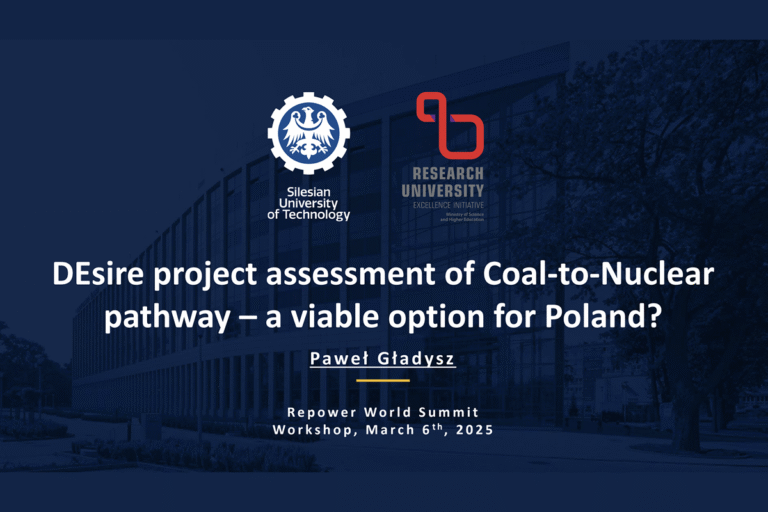
The DEsire project in Poland are our academic partners. They play to decarbonise the Polish power industry through modernisation using Gen III+ and IV nuclear reactors to transform domestic and combined heat and power plants.
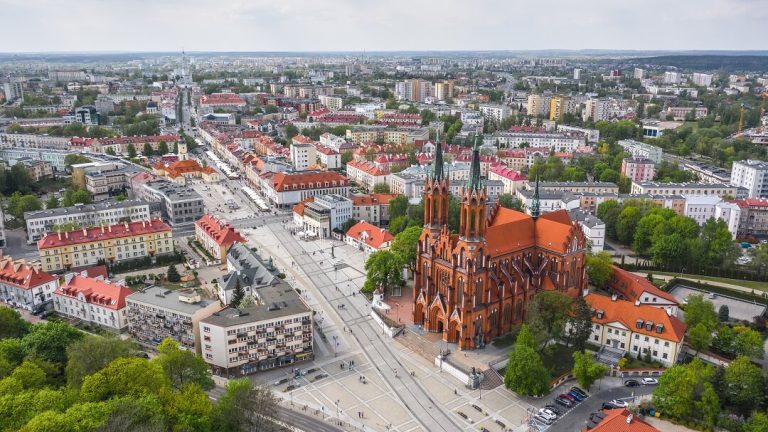
Anna Skorek-Osikowska, one of our academic partners at the Silesian University of Technology on the challenges Poland faces to transition away from high coal dependence, and its pathway to achieving net zero.
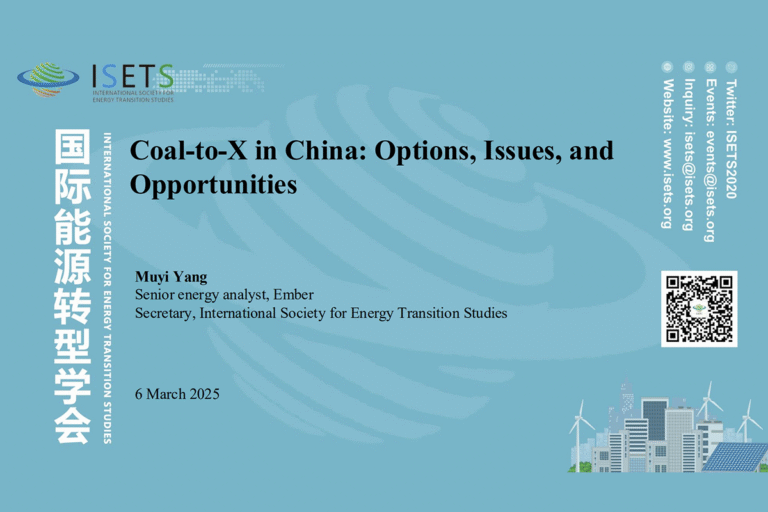
China is at a critical juncture where clean electricity will soon meet all incremental demand. Coal-to-X addresses tensions arising from the phase-down of the coal-electricity ecosystem.
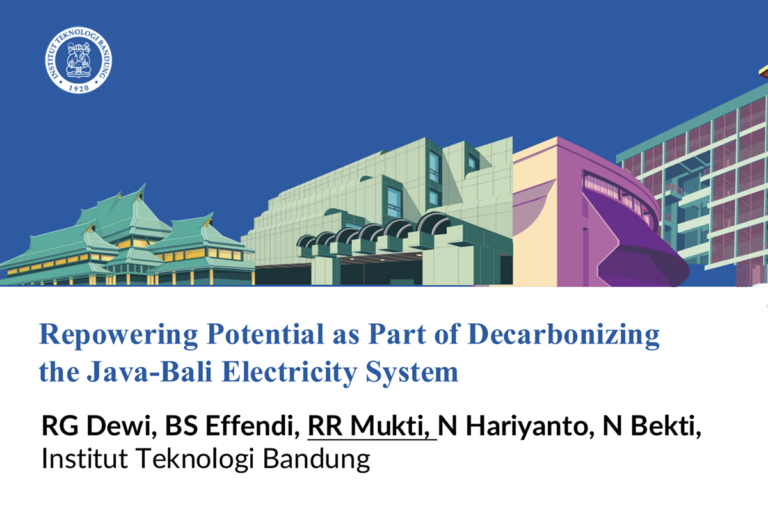
Repower academic partners from Institut Teknologu Bandung discuss Indonesia's National Energy Policy direction and Road Map to achieve Net Zero by 2060.
Professor Ning Li, Dean of College of Energy, Xiamen University discusses how China is leading the way in their rapid transition to renewables.
International Energy Agency outline the essential conditions for the global energy sector to reach net‐zero CO2 emissions by 2050.
This study systematically explores the transitional approach from CPPs to advanced energy systems and conduct an exhaustive comparative analysis focusing on three proposed energy system models: Greenfield, Coal-to-Nuclear (C2N), and Coal-to-Integrated Energy Systems (C2IES)
This report reviews the status of nuclear energy around the world and explores risks related to policies, construction and financing. It provides the long-term outlook for nuclear power in light of policies and ambitions, quantifying nuclear power capacity and the related investment over the period to 2050.
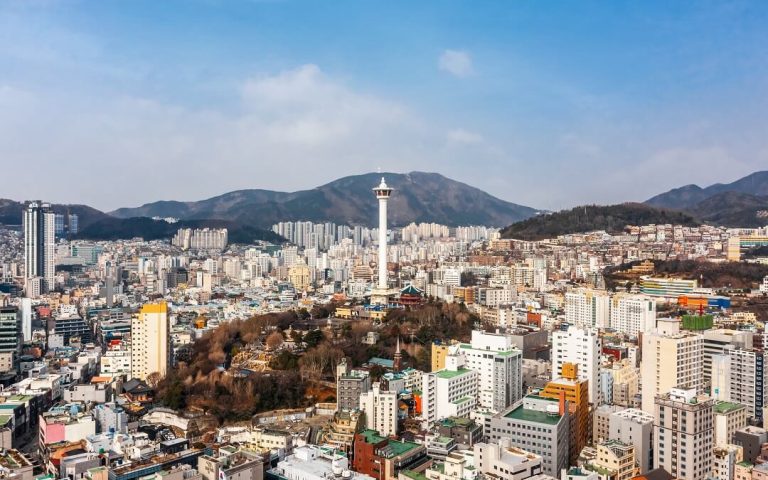
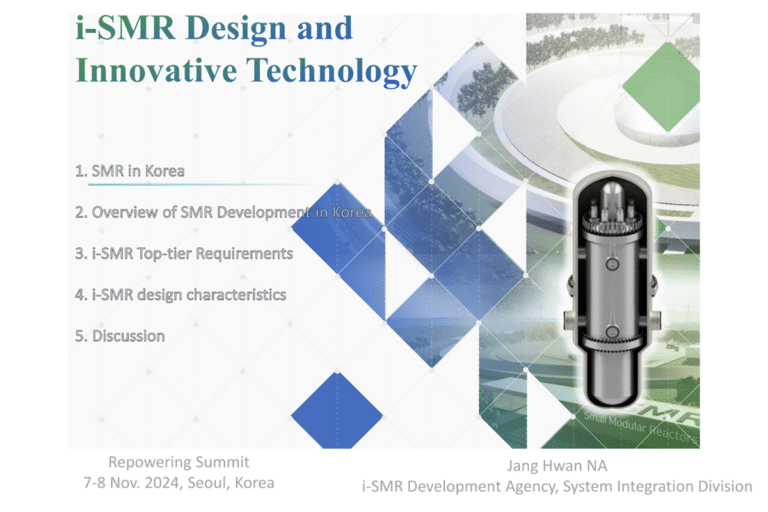
In this study, two types of SMRs were investigated: high-temperature gas reactors (HTGRs) and pressurized water reactors (PWRs). An analysis of necessary regulatory and legislative changes in South Korea’s nuclear framework is presented, identifying several key regulatory issues for repowering coal with nuclear energy.